|
Welcome back to The Friday Brief. 👀 Last week we talked about the dopamine trap. This week we're getting personal. If this one stings, that's the point. Let's get into it. 💪 Eliminate What you Don't NeedOpen your billing dashboard. Not your bank statement, the one with the recurring software charges. That list is the most honest document about your business that exists anywhere. You can lie on your pitch deck. You can lie in your investor update. But you can't lie to Stripe. Every tool in there is a bet you placed. Some of those bets you've probably forgotten you made. The $89/month CRM you set up in 2024 when you were going to do outbound. You never did outbound. Still paying for it? That's a confession that you don't trust your own sales plan. Three patterns I see constantly: - The aspirational subscription. A tool for a workflow you've never executed. Outbound CRMs with empty pipelines, SEO platforms with no published content, analytics suites tracking traffic you don't have.
- The fear subscription. A tool you stopped using six months ago but won't cancel because "what if". Usually backup software, a second email provider, or whatever you scrambled to set up during the only crisis your business has ever had.
- The status subscription. A tool that signals you're a "real" company. Usually whatever the founder you most admired posted about on Twitter in 2023.
So this week, I want you to audit your stack. Not just to cancel things, but to figure out what you actually believe. Five Things Worth Your ⏱️ Time ⏱️- Lindy: One Lindy build replaces your scheduler, your CRM enrichment tool, and your follow-up sequence. Three subscriptions cancelled. (affiliate link)
- The first $1M ARR solo founder on Ruby on Rails 6 and jQuery: Jon Yongfook crossed $1M ARR with Bannerbear using what every Twitter thread would call the wrong stack. The lesson he keeps repeating: spending more than 20% of your time fixing the stack instead of building the product is the actual mistake.
- Cap: the open-source Loom alternative that's spreading through Twitter: $8/user/month vs Loom's $18. Built by Richie McIlroy mostly in public. Self-hostable on your own S3 bucket, which is why every privacy-conscious founder on X is quietly switching.
- The Hail Mary Star Map: Someone recreated the in-ship navigation computer from Project Hail Mary using actual star data from the European Space Agency's GAIA mission. No business model, no Stripe checkout, no waitlist. Just one person who loved a book and shipped a tribute to it.
- Vibe Jam 2026 is live with $35K in prizes: Pieter Levels is running a vibe-coded game jam sponsored by Cursor, Bolt and Glif. Submissions close soon. Worth a scroll even if you don't enter, because the entries are the fastest way to see what's actually shippable in an afternoon right now.
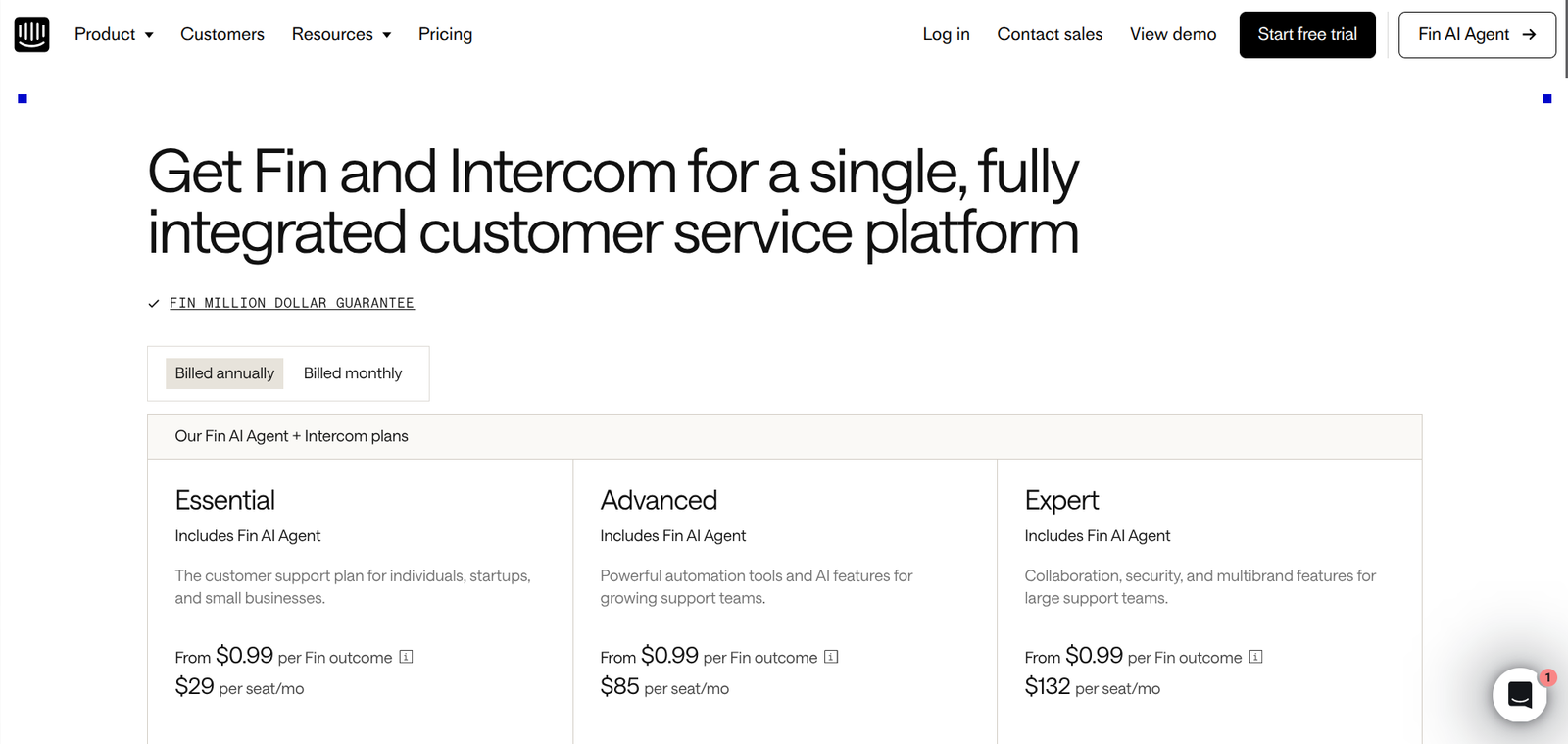
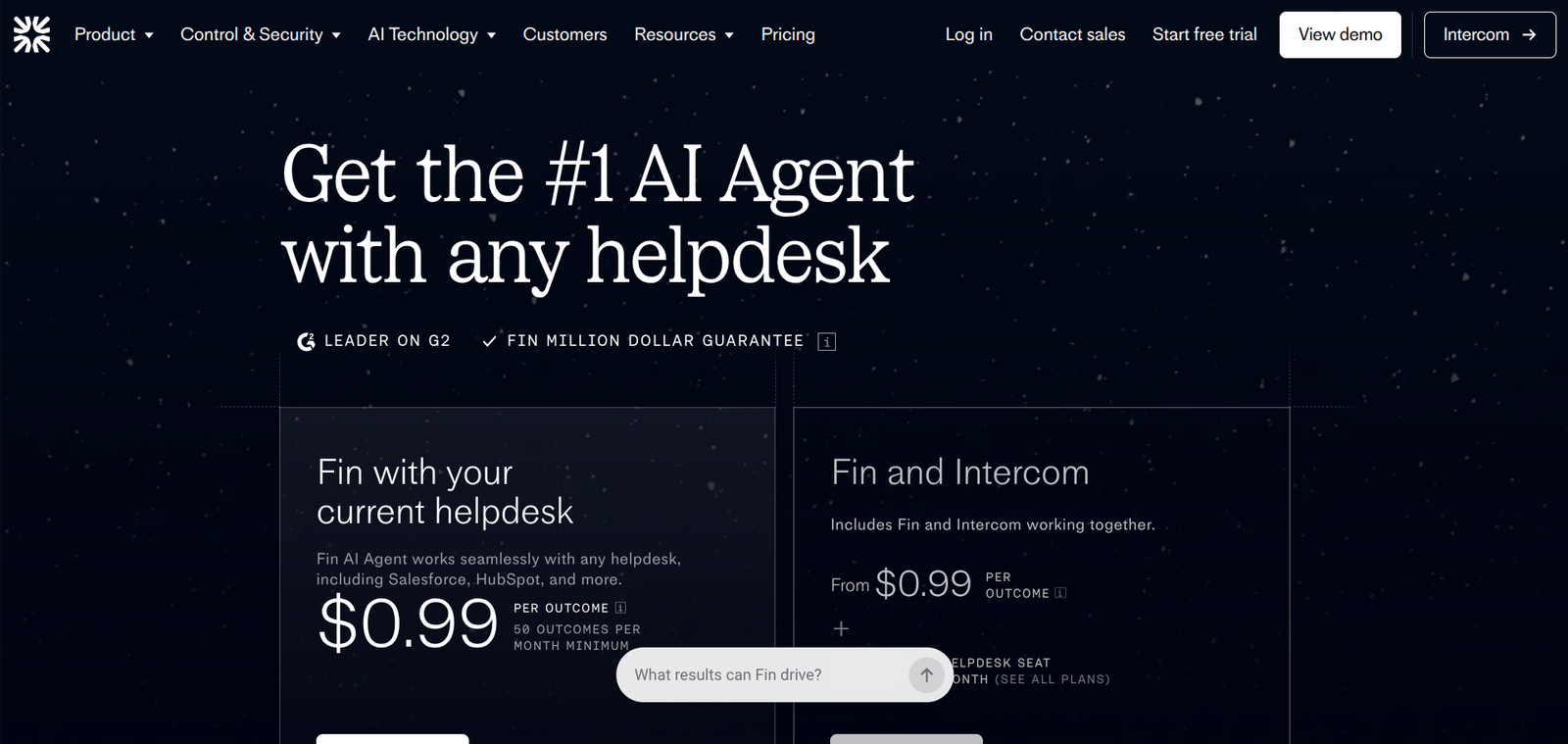
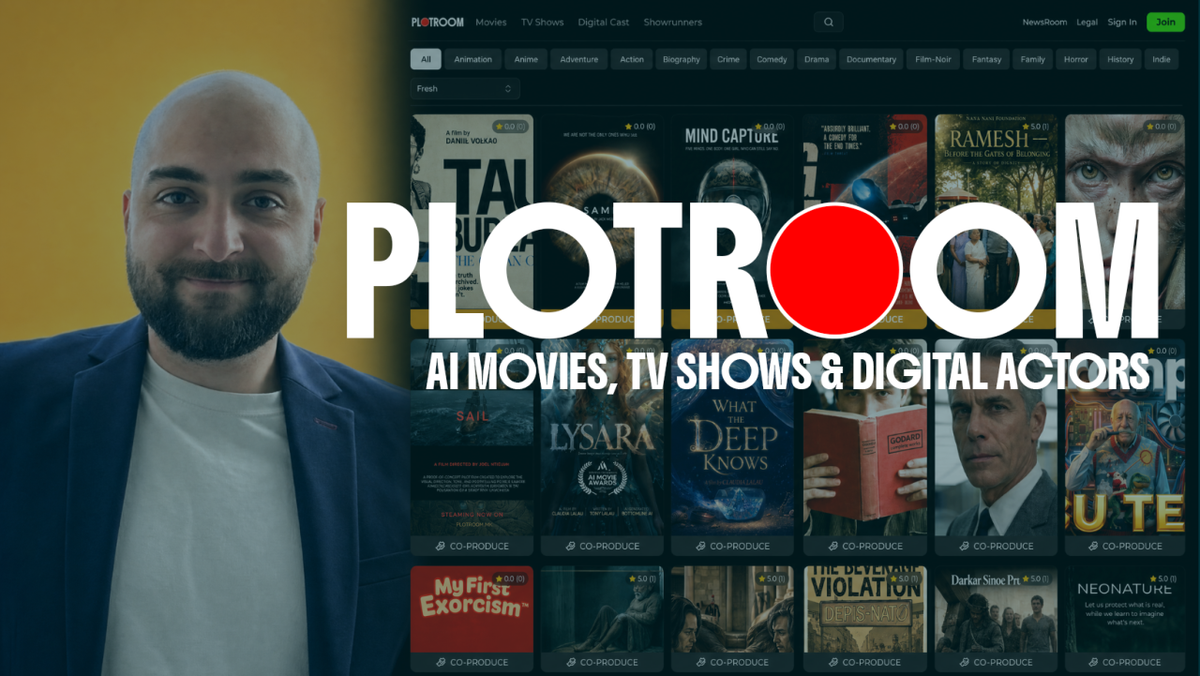
Open Intercom's pricing page. Then open Fin's pricing page in a second tab. They're the same company. On Intercom's page, every plan now bundles Fin. Essential: $29/seat plus $0.99 per Fin outcome. Advanced: $85/seat plus $0.99 per outcome. Expert: $132/seat plus $0.99. The seats and the outcomes are stapled together. On Fin's own page, the seat charge disappears entirely. "Fin with your current helpdesk" is $0.99 per outcome, 50/month minimum. No seat. No tier. Compete with Salesforce, HubSpot, "and more" (read: Intercom). Intercom has built a product that competes with Intercom. They're letting Fin eat the seat charge from inside their own pricing strategy, because they've worked out that if they don't do it, somebody else will. Look at your own pricing page. Are you the seat charge, or are you Fin? Same company, two pricing pages, one eating the other. Potentially. In Case You Missed It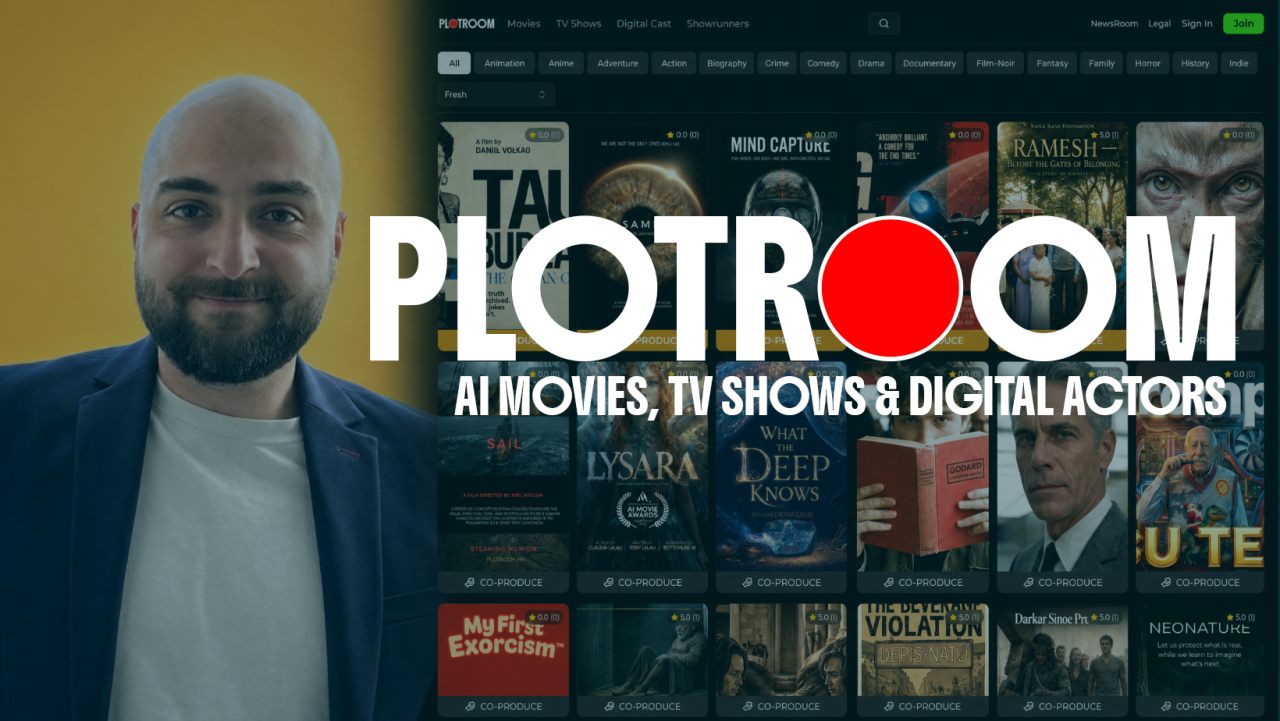 Tengo Tadumadze, PlotRoom I sat down with Tengo a month into PlotRoom, his London-based platform building infrastructure for AI filmmakers. He's emphatic that founders should be deliberate about where they incorporate rather than defaulting to Delaware. "My strong advice to any founder is to be extremely precise about the jurisdiction you choose. We had Delaware and the UK on the table. We didn't just pick one and move on. We ran a detailed comparison across legislation, tax incentives, data protection requirements, annual compliance obligations, payment processor policies, and a lot more. For PlotRoom, the UK was the clearest answer."
One small thingIf you didn't earlier, seriously, open your billing dashboard right now. Find one subscription you haven't logged into in the last 60 days but are still paying for. Hit reply and tell me what it is and why you haven't cancelled it. I won't publish names, but I'd like to publish patterns. The next piece might even write itself from your inbox. Enjoy the weekend. See you next Friday. Chris.
|