|
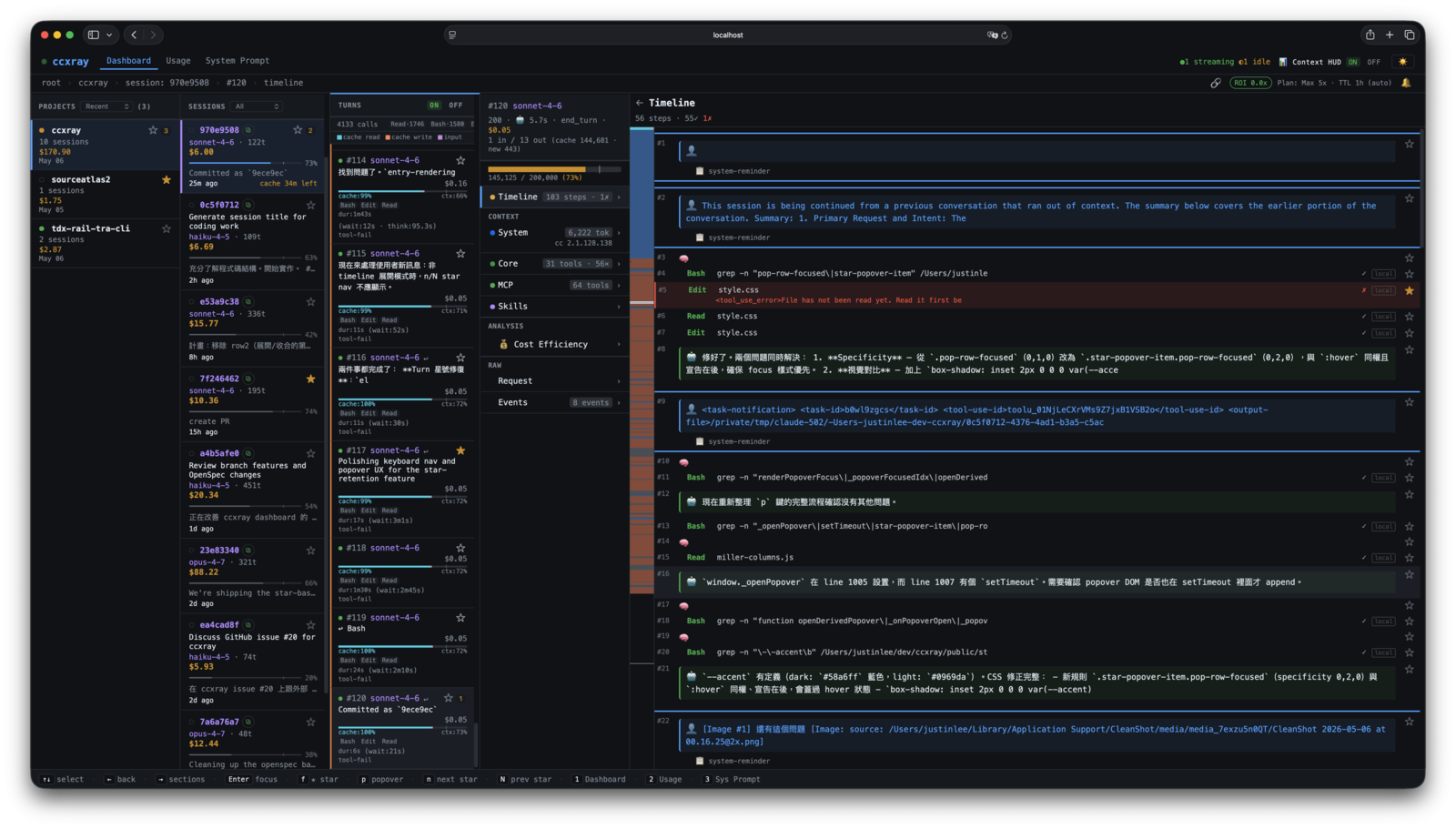
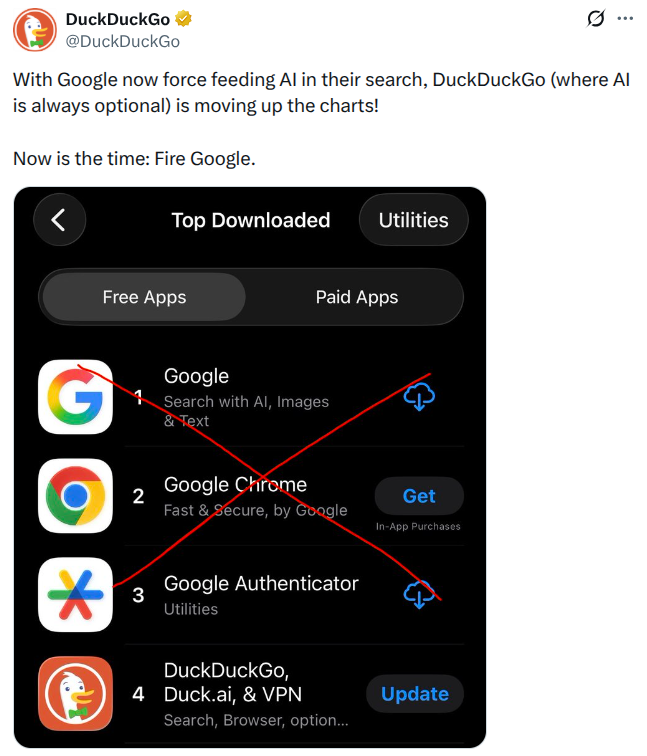
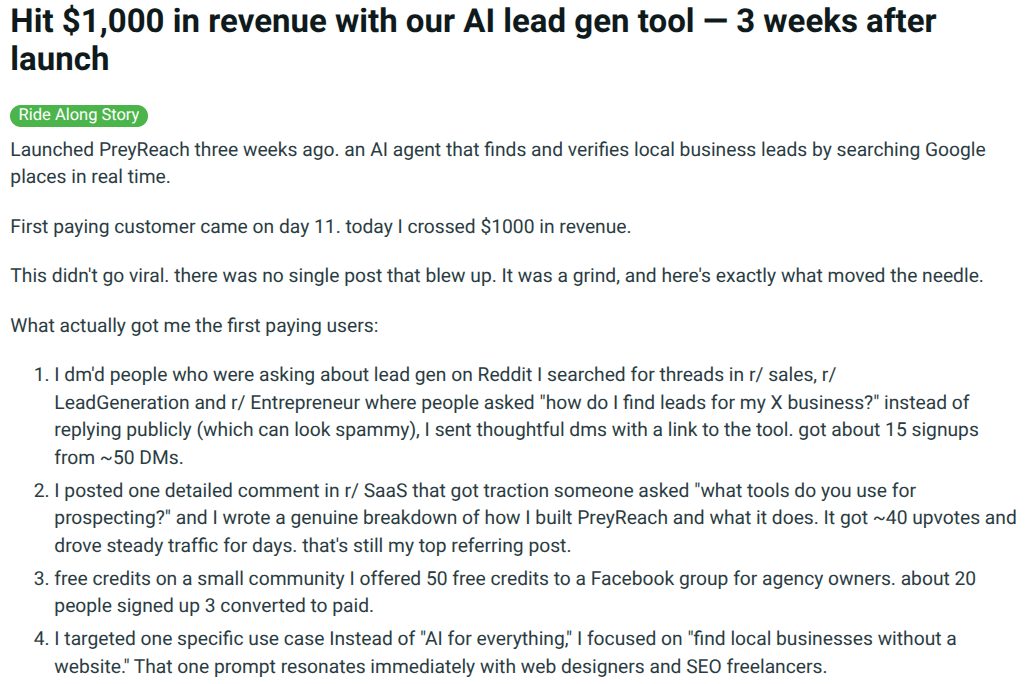
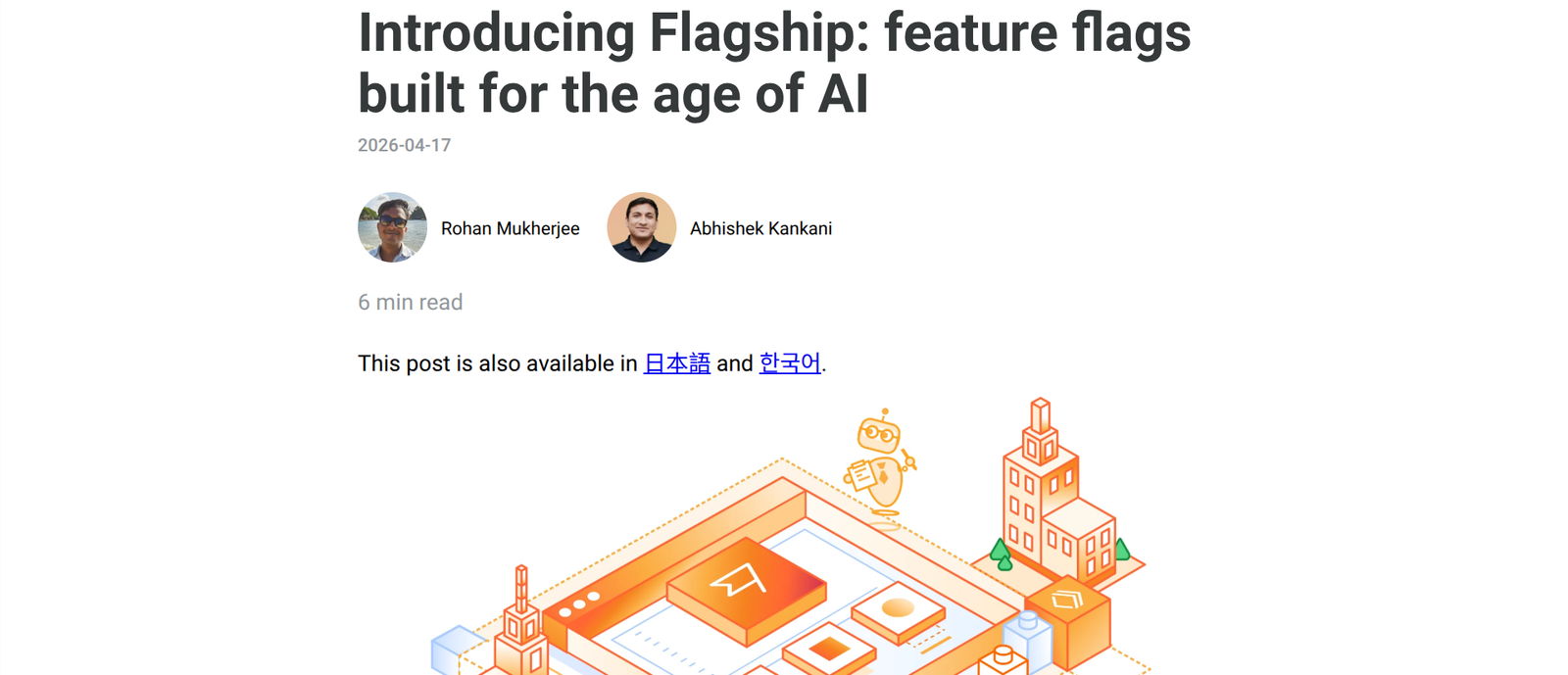
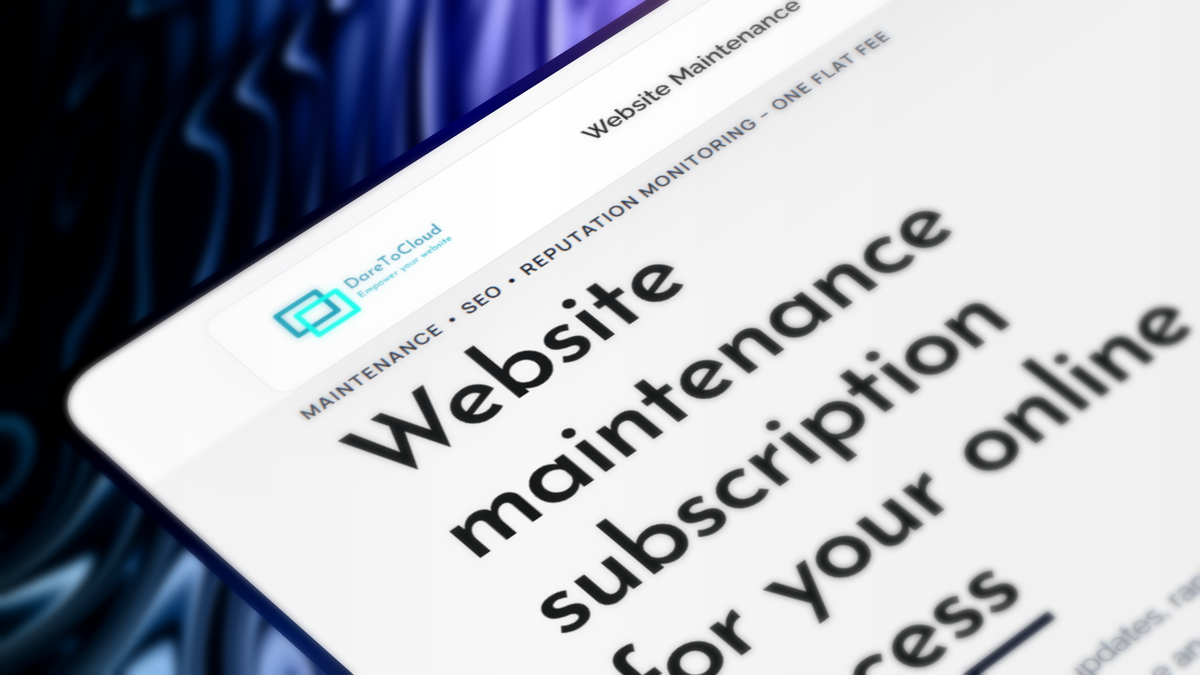
Welcome back to The Friday Brief! Last week I told you to open your billing dashboard and find the subscriptions you're embarrassed about. This week we're looking at a different bill. The one you can't see, because someone else is paying it for you. For now. Let's get into it. 💪 Someone Else Is Paying Your AI BillSimon Willison ran the numbers on his own Claude Code subscription this week. He pays $200 a month. The token value he actually burns through works out at $2,180. Roughly eleven times what he hands over. But this gap is deliberate, and it has a deadline. Anthropic hit a $30B run-rate in April and is telling investors to expect its first profitable quarter this quarter. Let's face it, you don't print numbers like that while selling $200 plans that cost $2,180 to serve. Enterprise already moved off flat pricing onto pure metering back in November. The cheap consumer tier is the last subsidy standing, and loss leaders don't survive an S-1. Now turn that on your own business. If your margins only work while a $20 Claude Pro plan stays $20, your pricing depends on a promotion you don't control. The company running it has a board, a run-rate, and a filing date, and all three point at your input cost going up. So do the boring exercise this weekend. 💡 Take whatever AI spend sits underneath your product and double it. Then look at your pricing page and ask whether the business still works. If it doesn't, you don't have a pricing problem yet. You have one coming, and you get to choose whether to fix it on your schedule or theirs. Last week was about the money leaving your account. This week is about the money that hasn't started leaving yet. Five Things Worth Your ⏱️ Time ⏱️LindyOne Lindy agent can absorb the scheduler, the enrichment tool, and the follow-up sequence you're currently paying three separate vendors for. If you took last week's stack audit seriously, this is the consolidation play that actually removes line items. claude-code-token-xray A token-cost audit tool shipped this week that reverse-engineers where your Claude Code bill actually goes. The headline finding: re-reading the same context over and over is 64% of the cost. If you live inside an AI coding tool, this is an hour well spent before the prices move on you. DuckDuckGo's AI-free search jumped 28% DDG's no-AI search property grew 27.7% week over week right after Sundar Pichai told an I/O crowd that people love AI Mode. Marginalia, a tiny indie engine that strips SEO spam, reported ten times its usual query volume in the same window. It's still a rounding error against Google's 85% share. But if every visitor you get arrives via Google organic, putting structured data on Brave, Kagi and DDG is cheap insurance. Last.fm went independent after 19 yearsIt walked out of Paramount this week, two decades after CBS bought it for $280M. The press framing that the founders bought it back is wrong, all three left in 2009. The real lesson is the useful one: a niche product with sticky user behavior can outlast the giant that acquired and forgot it. The exit comes when the owner is mid-merger and cleaning house. Fifty DMs, three weeks, first $1,000 A solo builder took an AI lead-gen tool from zero to its first grand in three weeks, entirely through cold DMs to web designers and SEO freelancers who were already complaining about prospecting. Fifty DMs, fifteen signups, no ad budget. The distribution move costs nothing to copy: sell to the people already posting about the problem you solve. Open LaunchDarkly's pricing page. Then remember that Cloudflare just shipped Flagship, a feature-flag service built straight into Workers. Same job, very different bill. LaunchDarkly sells feature flags as a standalone product, and it isn't cheap. Verified-contract data puts the median buyer near $72,000 a year across 196 deals. Pro starts around $12 a seat, but the real money is usage: roughly $10 a month per 1,000 client-side users, plus experimentation and session-replay add-ons that quietly push the total 30 to 50% higher. Cloudflare is treating the exact same capability as plumbing. Flagship evaluates flags locally inside the Workers you may already run, built on the open OpenFeature standard, with no round trip to an outside service. One developer summed up the threat in a single line: feature flags are becoming commoditized infrastructure, like caching or logging. That's the move worth studying. When your whole product is one capability, the platform sitting under your customers can bundle it toward zero and rebrand it a checkbox. LaunchDarkly built a real business on flags. Cloudflare is betting flags are cheap glue it can hand out to sell more of everything else. So ask the uncomfortable version about your own product. If the platform your customers already pay for shipped your core feature next quarter, would you have a business left, or a checkbox? In Case You Missed ItCyril Vanneste, DareToCloud I talked to Cyril a few months into DareToCloud, his cancel-anytime website maintenance service for Belgian local shops, now at €2,000 MRR while he holds down a full-time sales job in Leuven. His unlock fits this week's theme neatly. He stopped letting clients bring their own hosting and stacks, productized the whole thing into one done-for-you subscription on Stripe, and made the pricing boringly predictable on purpose. "I realize that I should productize everything and make it easy for them to pick," he told me. One small thing Last week I asked you to find a subscription you'd forgotten you were paying for. The replies were genuinely good, and yes, a pattern is forming. This week, one question: which tool in your stack would hurt the most if its price doubled tomorrow? Hit reply with the name. If enough of you point at the same one, that's the next teardown. Enjoy the weekend! See you next Friday. Chris.
|